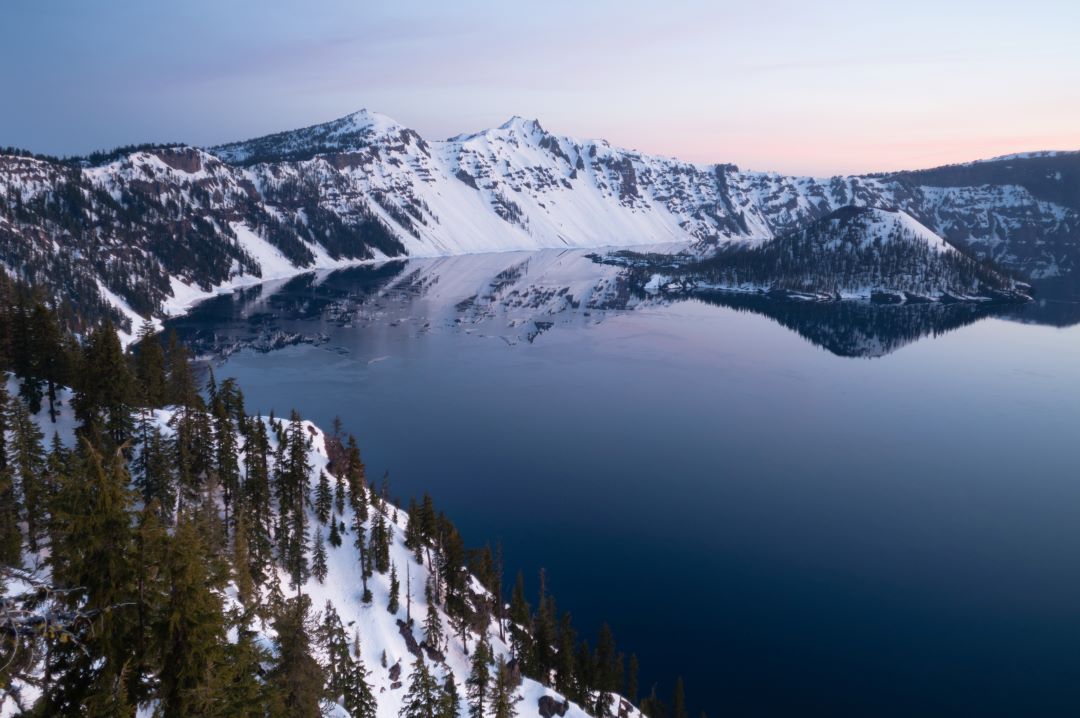
When winter blankets Oregon’s Cascade Range in pristine snow, Crater Lake transforms into an ethereal wonderland that rivals any alpine destination in the world. A winter Crater Lake tour offers visitors an extraordinary opportunity to witness one of America’s deepest lakes surrounded by towering snowdrifts, crystalline air, and the kind of silence that only winter wilderness can provide. Located just 60 miles north of Klamath Falls, this natural treasure becomes even more spectacular when accessed during the colder months, rewarding adventurous travelers with sights that summer visitors never experience.
Why Choose a Winter Crater Lake Tour
Winter visits to Crater Lake National Park offer a dramatically different experience compared to the crowded summer season. The park receives an average of 43 feet of snow annually, creating landscapes that appear almost otherworldly in their beauty. During a winter Crater Lake tour, you’ll encounter far fewer visitors, allowing for intimate moments with nature and unobstructed photography opportunities. The deep blue waters of the caldera contrast strikingly against the pure white snow, creating visual drama that’s simply unforgettable. Park rangers report that winter visitors often describe their experience as transformative, with many claiming they prefer the serene winter atmosphere to the bustling summer months.
Essential Preparation for Your Winter Adventure
Planning your winter Crater Lake tour requires careful preparation and realistic expectations about winter mountain conditions. The park’s rim sits at approximately 7,100 feet elevation, where temperatures regularly drop below freezing and weather can change rapidly. Visitors should dress in layers, including moisture-wicking base layers, insulating mid-layers, and waterproof outer shells. Quality winter boots with excellent traction are non-negotiable, as icy conditions are common. Before leaving Klamath Falls, check current park conditions through the National Park Service website, as access roads and facilities have limited winter operations. Bringing emergency supplies, extra food, and plenty of water is essential, even for day trips. Many seasoned winter visitors recommend starting your journey early from Klamath Falls to maximize daylight hours, as winter days are short and conditions can deteriorate quickly in late afternoon.
Access and Transportation During Winter Months
Winter access to Crater Lake differs significantly from summer operations. Highway 62, approaching from the south through Klamath Falls, remains the primary winter access route when conditions permit. However, Rim Drive closes completely during winter, limiting vehicle access to specific areas near park headquarters. Most visitors participating in a winter Crater Lake tour reach the rim via snowshoes or cross-country skis, which can be rented at the park or in nearby Klamath Falls. The park maintains a groomed trail from the rim village area that provides relatively safe access for winter recreation. Four-wheel drive or all-wheel drive vehicles with chains are strongly recommended, though chains may be required regardless of your vehicle type when conditions warrant. Before traveling north from Klamath Falls, ensure your vehicle is properly equipped and that you understand how to install tire chains if necessary.
Activities and Experiences on Your Winter Crater Lake Tour
A winter Crater Lake tour opens up unique recreational opportunities unavailable during other seasons. Snowshoeing remains the most popular activity, with ranger-led snowshoe walks offered on weekends and holidays when conditions allow. These guided experiences provide fascinating insights into winter ecology, volcanic geology, and the park’s human history. Cross-country skiing appeals to those with more advanced winter skills, offering miles of pristine terrain for exploration. Photography enthusiasts find winter conditions ideal for capturing the lake’s famous blue waters against snowy backdrops. The visitor center, when open, provides indoor warmth and educational exhibits that enhance your understanding of this geological marvel. Many visitors combine their winter Crater Lake tour with stays at vacation rentals in Klamath Falls, where comfortable accommodations provide a perfect base for multiple-day winter adventures.
Safety Considerations for Winter Visitors
Winter mountain environments demand respect and preparation. Weather at Crater Lake can shift from calm to dangerous within hours, with whiteout conditions possible even on days that start clear. Always inform someone of your plans before embarking on your winter Crater Lake tour, including expected return times. Stay on marked trails and avoid venturing near the rim edge, where cornices can collapse without warning. Avalanche awareness is crucial for those traveling in backcountry areas beyond maintained trails. Cell phone service is unreliable throughout the park, so don’t depend on mobile devices for emergency communication. The nearest medical facilities are in Klamath Falls, approximately an hour away under good conditions, so preventing emergencies through smart decision-making is paramount. Park rangers recommend that first-time winter visitors join guided programs rather than exploring independently until they gain experience with the unique challenges winter conditions present.
Planning Your Winter Crater Lake Tour Itinerary
Most successful winter Crater Lake tours involve careful timing and realistic expectations. The drive from Klamath Falls typically takes 90 minutes to two hours depending on road conditions, making early morning departures advisable. Plan to spend 3-4 hours at the park, allowing time for snowshoeing, photography, and simply absorbing the magnificent scenery. Winter sunrise at Crater Lake offers particularly stunning views, though reaching the rim for dawn requires very early departure from Klamath Falls. Many visitors discover that booking accommodations near Klamath Falls provides flexibility for multiple visits if weather or conditions aren’t optimal on any single day. Exploring luxury vacation rental options in the Klamath Falls area can enhance your overall winter adventure, providing comfortable spaces to relax and plan each day’s activities. Consider checking out property photos to find the perfect home base for your winter expedition.
Best Time for a Winter Crater Lake Tour
Winter at Crater Lake extends from November through April, with each period offering distinct experiences. December through February brings the deepest snowfall and coldest temperatures, creating the most dramatic winter landscapes. March and April offer slightly milder conditions while still maintaining excellent snow coverage. Weekend visits can be busier than weekdays, though “busy” in winter means dozens rather than thousands of visitors. Mid-week winter Crater Lake tours often provide the most solitary experiences, perfect for those seeking true wilderness tranquility. Weather patterns in southern Oregon can be tracked through forecasts for Klamath Falls, giving visitors several days’ advance notice of approaching storms or clearing conditions.
Capturing the Perfect Winter Crater Lake Memories
The photographic opportunities during a winter Crater Lake tour rank among the finest in North America. The lake’s famous deep blue color becomes even more vivid against white snow, creating natural color contrast that requires minimal post-processing. Early morning and late afternoon light paint the snow in golden and pink hues that transform ordinary scenes into extraordinary images. Protecting camera equipment from extreme cold and moisture is essential, as batteries drain quickly in freezing temperatures and condensation can damage electronics. Many professional photographers visiting from Klamath Falls recommend carrying extra batteries in warm pockets and allowing equipment to acclimate gradually when moving between cold and warm environments. For those wanting to preview the stunning winter scenery before your visit, explore this immersive virtual tour that showcases the incredible beauty awaiting winter adventurers.
Making Your Winter Crater Lake Tour a Reality
Embarking on a winter Crater Lake tour represents more than just a day trip from Klamath Falls—it’s an opportunity to witness one of nature’s most spectacular transformations. The combination of pristine snow, impossibly blue water, and peaceful solitude creates memories that last a lifetime. Whether you’re an experienced winter adventurer or a first-time snow explorer, proper planning ensures a safe and rewarding experience. Start by securing comfortable accommodations in the Klamath Falls area that can serve as your base camp for this winter adventure. Connect with local experts who can provide current conditions and insider tips for making the most of your visit.
Ready to plan your winter Crater Lake adventure? Contact us today to discuss accommodation options in Klamath Falls that will make your winter exploration comfortable and convenient. Our team knows the region intimately and can help you plan the perfect winter getaway that combines the majesty of Crater Lake with the comfort of quality lodging. Don’t let another winter pass without experiencing this snow-covered paradise—start planning your unforgettable winter Crater Lake tour today.
Frequently Asked Questions About Winter Crater Lake Tours
Q: Is Crater Lake open for a winter Crater Lake tour?
Yes, Crater Lake National Park remains open year-round, though facilities and access are limited during winter months. The south entrance via Highway 62 from Klamath Falls typically stays open, while the north entrance closes. Visitors can access rim viewpoints and participate in winter recreation like snowshoeing and cross-country skiing.
Q: What equipment do I need for a winter Crater Lake tour?
Essential equipment includes warm, layered clothing, waterproof boots with good traction, snowshoes or cross-country skis, sunglasses, sunscreen, plenty of water, and emergency supplies. Tire chains are often required for vehicles. Equipment rentals are available in Klamath Falls and at the park when facilities are open.
Q: Can I drive around Rim Drive on my winter Crater Lake tour?
No, Rim Drive closes completely during winter, typically from mid-October through June or July, depending on snowpack. Winter access is limited to specific areas near park headquarters, with further exploration requiring snowshoes or skis. The road becomes a popular route for cross-country skiers and snowshoers.
Q: How difficult is a winter Crater Lake tour for beginners?
Winter Crater Lake tours can be accessible for beginners who join ranger-led snowshoe walks and stay on maintained trails. However, winter mountain conditions require preparation, appropriate gear, and awareness of changing weather. First-time visitors should consider guided programs and avoid backcountry travel without experience.
Q: What’s the best way to reach Crater Lake from Klamath Falls for a winter Crater Lake tour?
Highway 62 north from Klamath Falls provides the primary winter access route, typically taking 90 minutes to two hours depending on conditions. Ensure your vehicle has four-wheel or all-wheel drive, carry tire chains, check road conditions before departure, and allow extra travel time for winter driving conditions.
