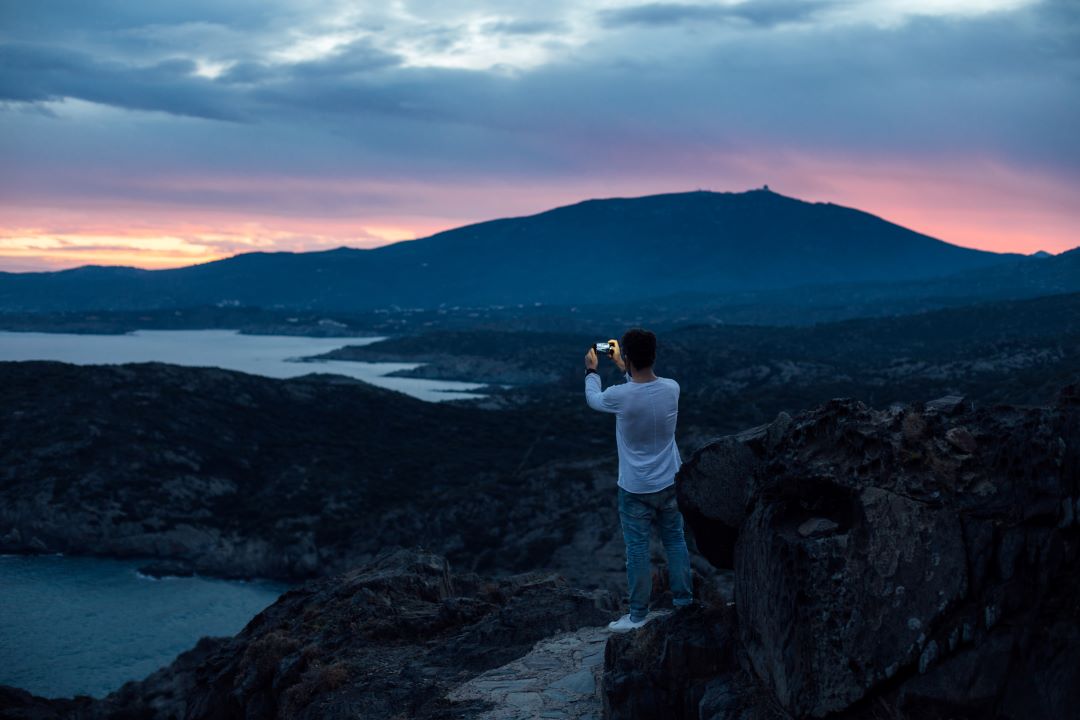
Discover the magic of the night sky through exceptional stargazing and night photography opportunities around Klamath Falls. The region’s high elevation, clear air, and minimal light pollution create perfect conditions for capturing celestial wonders. Take a virtual tour of your comfortable accommodation that provides easy access to dark sky locations.
Optimal Conditions for Night Photography in Klamath Falls
The geographic positioning of Klamath Falls creates exceptional opportunities for night photography throughout the year. At 4,100 feet elevation with surrounding mountains and minimal urban light pollution, the area provides naturally dark skies perfect for astronomical imaging. Clear, dry air during much of the year enhances visibility and reduces atmospheric distortion affecting night photography.
Understanding Light Pollution
Successful night photography requires understanding local light pollution patterns around Klamath Falls. The downtown area creates a small light dome, but traveling just 15-20 minutes in any direction provides significantly darker skies. Night photography enthusiasts find excellent conditions at higher elevation viewpoints where city lights become minimal background elements rather than overwhelming foreground interference.
Seasonal Advantages
Different seasons offer unique benefits for night photography in the Klamath Falls region. Winter provides the longest nights with crisp, clear air ideal for deep-sky imaging. Summer brings stable weather patterns and access to higher elevation locations typically snow-covered during colder months. Spring and fall offer moderate temperatures comfortable for extended night photography sessions.
Best Locations for Night Photography Near Klamath Falls
Mountain Viewpoints
Several elevated locations near Klamath Falls provide exceptional night photography opportunities with minimal light pollution interference. Mount McLoughlin’s lower slopes offer dark sky access with dramatic foreground elements for landscape astrophotography. The viewpoints combine stellar imaging opportunities with stunning terrestrial elements creating compelling compositional possibilities.
Crater Lake National Park
The high elevation and remote location of Crater Lake National Park create world-class conditions for night photography. Park designation as an International Dark Sky Place ensures protection from light pollution while providing spectacular foreground elements. The rim drive offers numerous viewpoints perfect for combining celestial and terrestrial elements in night photography compositions.
Upper Klamath Lake Areas
The expansive waters of Upper Klamath Lake provide unique night photography opportunities with minimal light interference. Water reflections can double the visual impact of celestial displays while providing interesting foreground elements. Several access points around the lake offer different perspectives for creative night photography compositions.
Technical Aspects of Night Photography
Essential Equipment
Successful night photography requires specific equipment designed for low-light conditions. A sturdy tripod forms the foundation for sharp images during long exposures necessary for capturing faint celestial objects. Wide-angle lenses with fast apertures (f/2.8 or faster) collect maximum light while providing expansive sky coverage essential for effective night photography.
Camera Settings
Optimal night photography settings balance image quality with practical shooting constraints. ISO settings between 1600-6400 typically provide good balance between light sensitivity and image noise. Exposure times between 15-30 seconds prevent star trailing while collecting sufficient light for detailed images.
Focus Techniques
Achieving sharp focus during night photography presents unique challenges requiring specialized techniques. Manual focus using bright stars or distant lights provides more reliable results than autofocus systems struggling in low light. Live view magnification helps verify critical focus essential for successful night photography results.
Seasonal Night Photography Opportunities
Winter Constellations
Winter months provide exceptional night photography opportunities with prominent constellations like Orion dominating the southern sky. The longer nights allow extended shooting sessions while crisp winter air enhances atmospheric transparency. Snow-covered landscapes provide dramatic foreground elements reflecting starlight in night photography compositions.
Summer Milky Way
Summer presents optimal conditions for Milky Way night photography with the galactic center rising in southern skies. Peak visibility occurs during new moon periods from May through September when atmospheric conditions typically remain stable. Higher elevation access during summer months expands location options for creative night photography compositions.
Meteor Showers
Annual meteor showers provide spectacular opportunities for dynamic night photography throughout the year. The Perseids in August and Geminids in December typically produce reliable displays visible from Klamath Falls area locations. Planning night photography sessions around peak meteor activity creates possibilities for capturing dramatic celestial events.
Compositional Strategies for Night Photography
Foreground Elements
Effective night photography combines celestial subjects with interesting terrestrial foregrounds creating compelling visual narratives. Mountain silhouettes, lake reflections, and architectural elements provide context and scale for astronomical subjects. Balancing exposure between sky and foreground elements requires careful planning and technical execution.
Light Painting Techniques
Incorporating artificial light sources can enhance night photography compositions through selective illumination of foreground elements. Flashlights, headlamps, or specialized LED panels provide controlled lighting for highlighting specific features. Light painting techniques require practice to achieve natural-looking results that complement rather than overpower celestial elements.
Planning Night Photography Expeditions
Moon Phase Considerations
Moon phases significantly impact night photography conditions and creative possibilities. New moon periods provide darkest skies optimal for faint celestial objects and Milky Way imaging. Bright moon phases enable landscape night photography with naturally illuminated foregrounds while potentially washing out fainter astronomical subjects.
Weather Monitoring
Successful night photography expeditions require careful weather monitoring and flexible planning. Clear skies obviously provide optimal conditions, but partially cloudy conditions can create dramatic atmospheric effects. High-altitude cloud formations sometimes enhance rather than hinder night photography by adding visual interest to compositions.
Safety Considerations
Night photography in remote locations requires attention to safety considerations and emergency preparedness. Inform others of planned locations and expected return times while carrying communication devices for emergency situations. Proper lighting, warm clothing, and navigation tools ensure safe and successful night photography expeditions.
Processing Night Photography Images
Raw File Advantages
Shooting in raw format provides maximum flexibility for processing night photography images with challenging exposure conditions. Raw files retain more image information allowing for extensive post-processing adjustments without degrading image quality. The ability to adjust white balance, exposure, and noise reduction proves essential for optimal night photography results.
Noise Reduction Techniques
Night photography typically involves high ISO settings that introduce digital noise requiring careful processing consideration. Modern noise reduction software provides excellent results while preserving fine detail essential for astronomical subjects. Balancing noise reduction with detail preservation requires experience and careful technique.
FAQs
Q: What makes Klamath Falls ideal for night photography compared to other locations?
A: Klamath Falls offers exceptional night photography conditions due to its high elevation (4,100 feet), minimal light pollution, and consistently clear skies. The surrounding mountains create natural barriers to urban light while providing dramatic foreground elements. The region’s dry climate results in excellent atmospheric transparency ideal for night photography, with over 200 clear nights annually providing abundant opportunities.
Q: What essential equipment do I need to start night photography in the Klamath Falls area?
A: Essential night photography equipment includes a sturdy tripod, camera with manual controls, wide-angle lens with fast aperture (f/2.8 or faster), and reliable flashlight with red filter. Additional helpful items include extra batteries (cold depletes them quickly), memory cards, lens cleaning supplies, and warm clothing. Intervalometers enable hands-free long exposures essential for advanced night photography techniques.
Q: When are the best times of year for night photography near Klamath Falls?
A: Each season offers unique night photography opportunities in Klamath Falls. Summer provides optimal Milky Way visibility and comfortable temperatures, while winter offers longest nights and clearest atmospheric conditions. Spring and fall present moderate conditions with interesting seasonal astronomical events. New moon periods each month provide darkest skies regardless of season, making them ideal for night photography expeditions.
Q: What camera settings work best for night photography in this region?
A: Effective night photography settings typically include ISO 1600-6400, apertures of f/2.8-f/4, and exposure times of 15-30 seconds to prevent star trailing. Manual focus set to infinity ensures sharp stars, while shooting in raw format provides maximum post-processing flexibility. Settings may require adjustment based on specific conditions and desired creative effects in night photography compositions.
Q: Are there guided night photography workshops or tours available in the Klamath Falls area?
A: Several local photography instructors and astronomy groups offer night photography workshops and guided tours in the Klamath Falls region. These experiences provide hands-on instruction, location knowledge, and equipment guidance for beginners. Many workshops combine basic night photography techniques with astronomical education, making them valuable for photographers of all skill levels interested in celestial imaging.
Capture the Night Sky’s Beauty
Transform your understanding of night photography with stays at our luxury property that provides easy access to the region’s darkest skies. Our comfortable accommodations serve as the perfect base for extended night photography expeditions.
Contact us to book your stay and begin planning your night photography adventure. Our knowledgeable team can provide information about current sky conditions and optimal viewing locations.
Discover the magic of Southern Oregon’s night skies through the art of night photography. Book your stay today and prepare to capture celestial wonders from some of the region’s most spectacular viewpoints.
