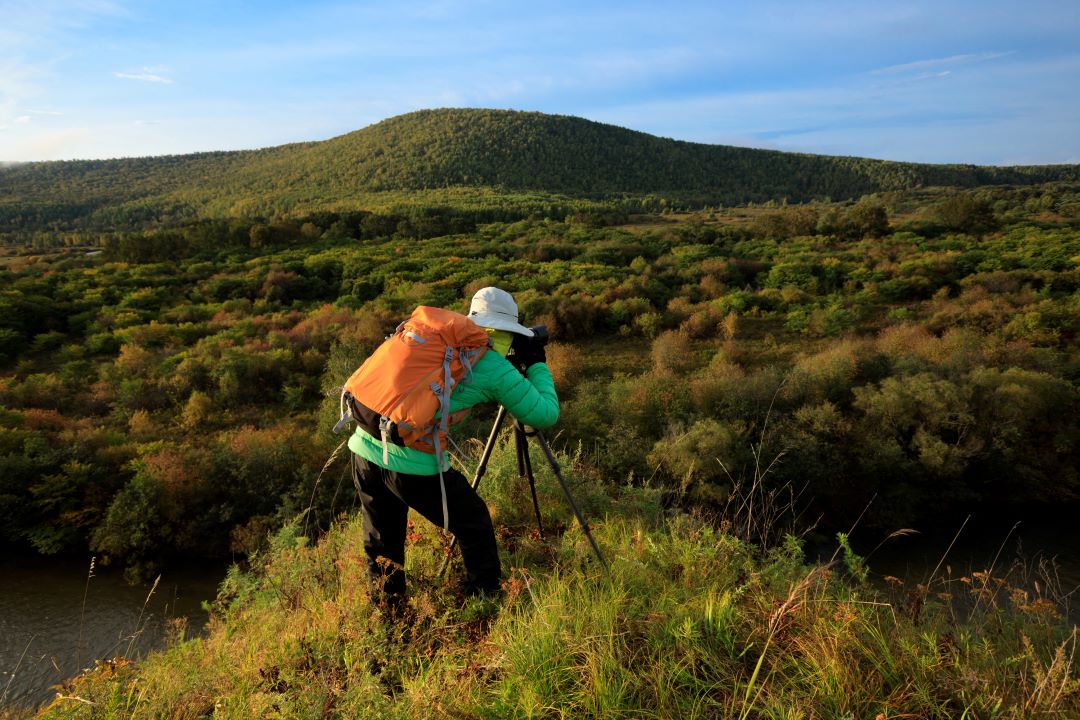
Klamath Falls, located in the picturesque southern part of Oregon, is home to a diverse and rich natural heritage. This area is renowned for its stunning landscapes, abundant wildlife, and unique ecosystems. However, preserving this natural beauty requires ongoing conservation efforts. In this post, we will explore the various conservation initiatives in Klamath Falls and offer practical advice on how you can contribute to protecting our natural heritage.
Understanding the Importance of Natural Heritage
Natural heritage refers to the natural features, biodiversity, and landscapes that hold ecological, scientific, and cultural significance. In Klamath Falls, natural heritage includes the vast wetlands, lush forests, and diverse wildlife that make this region unique. Protecting these resources is crucial for maintaining ecological balance, supporting local economies, and providing recreational opportunities.
Local Conservation Initiatives
Several local organizations and government agencies in Klamath Falls are dedicated to conservation efforts. The Klamath Basin National Wildlife Refuge Complex, for instance, plays a vital role in preserving habitats for migratory birds and other wildlife. The Nature Conservancy also works actively in the area, focusing on restoring wetlands and promoting sustainable water management.
Practical Ways to Support Conservation
There are numerous practical ways you can support conservation efforts in Klamath Falls. Volunteering with local organizations, participating in clean-up events, and advocating for sustainable practices are just a few examples. Here are some specific actions you can take:
- Join a Local Conservation Group: Organizations such as the Klamath Lake Land Trust offer volunteer opportunities for habitat restoration and educational outreach.
- Participate in Clean-Up Events: Community clean-up events help keep natural areas free from litter and pollution.
- Practice Sustainable Tourism: When visiting natural sites, follow guidelines to minimize your impact. Stick to designated trails, avoid disturbing wildlife, and dispose of waste properly.
- Advocate for Environmental Policies: Support policies and initiatives that aim to protect and conserve natural resources in Klamath Falls.
Education and Awareness
Raising awareness about the importance of natural heritage is a key component of conservation efforts. Educational programs and workshops can help inform the public about local ecosystems and the steps needed to protect them. Schools in Klamath Falls often collaborate with conservation groups to provide students with hands-on learning experiences.
Wildlife Conservation Efforts
Wildlife conservation is a significant aspect of protecting our natural heritage in Klamath Falls. Efforts include habitat restoration, monitoring wildlife populations, and implementing measures to reduce human-wildlife conflicts. The Klamath Basin National Wildlife Refuge Complex, for example, provides critical habitat for migratory birds, which is essential for their survival.
Sustainable Water Management
Water is a precious resource in Klamath Falls, and sustainable water management practices are essential for maintaining the health of local ecosystems. The Klamath River and its tributaries support a variety of wildlife, including fish species that are important for both ecological balance and local fisheries. Initiatives such as water conservation programs and habitat restoration projects help ensure that these water bodies remain viable for future generations.
Community Involvement
Community involvement is crucial for the success of conservation efforts. Local residents and visitors alike can contribute to protecting Klamath Falls’ natural heritage by participating in community programs and staying informed about environmental issues. By working together, we can make a significant impact on the preservation of our natural resources.
The Role of Technology in Conservation
Advancements in technology have greatly enhanced conservation efforts in Klamath Falls. Tools such as satellite imagery, GPS tracking, and environmental monitoring systems allow conservationists to gather data and monitor changes in ecosystems more effectively. These technologies provide valuable insights that help guide conservation strategies and measure their success.
Conclusion
Protecting the natural heritage of Klamath Falls requires a collective effort from individuals, organizations, and government agencies. By understanding the importance of conservation, supporting local initiatives, and taking practical steps to reduce our environmental impact, we can ensure that Klamath Falls remains a beautiful and thriving natural haven. Visit our website to learn more about how you can get involved in conservation efforts and help protect our natural heritage.
FAQs
What is natural heritage, and why is it important in Klamath Falls?
Natural heritage refers to the natural features, biodiversity, and landscapes that have ecological, scientific, and cultural significance. In Klamath Falls, it includes wetlands, forests, and wildlife. Protecting our natural heritage is crucial for maintaining ecological balance, supporting local economies, and providing recreational opportunities.
How can I support conservation efforts in Klamath Falls?
You can support conservation efforts in Klamath Falls by volunteering with local organizations, participating in clean-up events, practicing sustainable tourism, and advocating for environmental policies. These actions help protect and preserve our natural heritage.
What are some local organizations involved in conservation in Klamath Falls?
Local organizations involved in conservation in Klamath Falls include the Klamath Basin National Wildlife Refuge Complex and The Nature Conservancy. These groups work on habitat restoration, wildlife protection, and sustainable water management to preserve the area’s natural heritage.
How does sustainable water management benefit Klamath Falls’ natural heritage?
Sustainable water management ensures that water resources in Klamath Falls, such as the Klamath River and its tributaries, remain healthy and viable. This supports local wildlife, including important fish species, and maintains the ecological balance necessary for our natural heritage.
What role does technology play in conservation efforts in Klamath Falls?
Technology enhances conservation efforts in Klamath Falls through tools like satellite imagery, GPS tracking, and environmental monitoring systems. These technologies help gather data, monitor ecosystem changes, and guide effective conservation strategies to protect our natural heritage.
