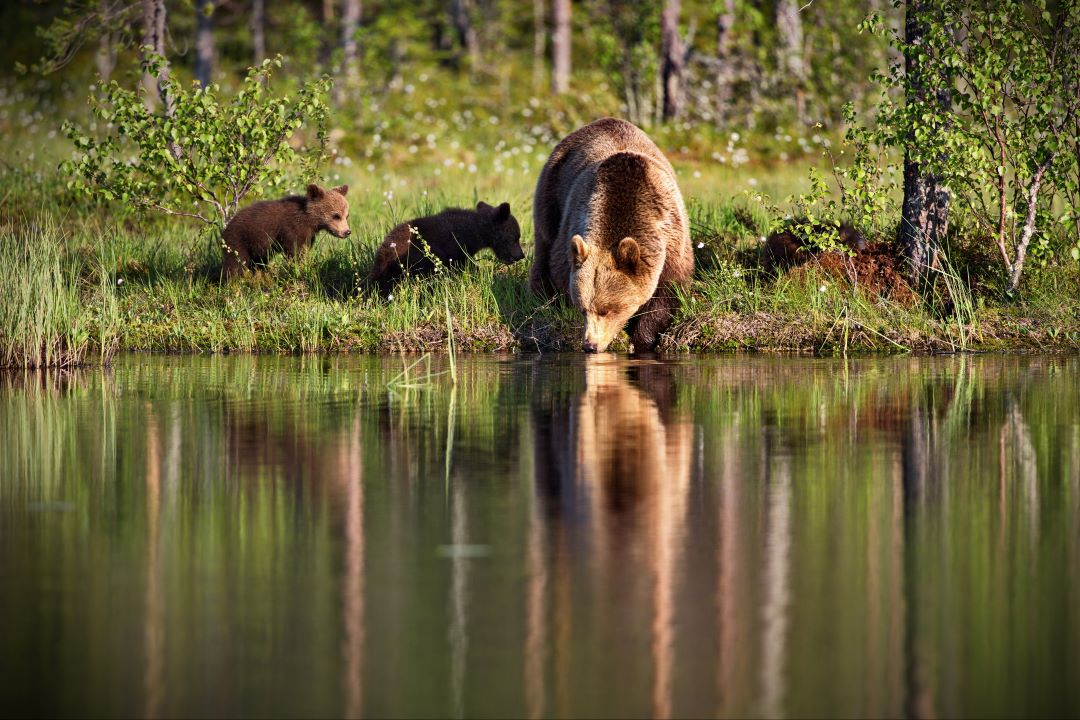
Klamath Falls, a jewel in Oregon’s landscape, is renowned for its rich biodiversity and stunning natural habitats. As residents and visitors, it is our duty to engage in sustainable practices to ensure the protection of this unique environment. Protecting wildlife in Klamath Falls not only preserves our local ecosystem but also supports the overall health of the planet. In this blog post, we’ll explore practical, user-friendly advice on how to contribute to the sustainability of Klamath Falls, focusing on protecting wildlife and natural habitats.
Understanding the Local Ecosystem
Klamath Falls boasts a diverse range of flora and fauna. From the wetlands of the Upper Klamath National Wildlife Refuge to the lush forests of the Winema National Forest, the region is a haven for wildlife. Species such as the Klamath largescale sucker, bald eagles, and various migratory birds find sanctuary here. Understanding the local ecosystem is the first step in protecting wildlife. Familiarize yourself with the species that inhabit the area and the unique challenges they face, such as habitat loss, climate change, and human interference.
Why Protecting Wildlife Matters
Protecting wildlife is crucial for maintaining biodiversity. Each species plays a vital role in the ecosystem, contributing to its balance and health. For example, predators control prey populations, which in turn affect vegetation and water resources. In Klamath Falls, protecting wildlife helps preserve the intricate web of life that supports our natural surroundings. Moreover, a healthy ecosystem provides numerous benefits to humans, including clean air and water, fertile soil for agriculture, and opportunities for recreation and tourism.
Sustainable Practices for Individuals
1. Reduce, Reuse, Recycle
Adopting the three Rs can significantly reduce your ecological footprint. By minimizing waste, you lessen the impact on local habitats. Recycle materials such as paper, plastic, and glass to prevent them from ending up in landfills or waterways, where they can harm wildlife.
2. Conserve Water
Water conservation is vital in protecting wildlife, especially in regions like Klamath Falls, which are prone to drought. Simple practices such as fixing leaks, using water-efficient fixtures, and reducing water usage in daily activities can make a big difference. Consider using rain barrels to collect and reuse rainwater for gardening.
3. Support Local Conservation Efforts
Numerous organizations in Klamath Falls are dedicated to protecting wildlife and natural habitats. Volunteering your time or donating to groups such as the Klamath Lake Land Trust or Friends of the Klamath Basin Wildlife Refuges can help further their missions. Participating in local clean-up events or habitat restoration projects also makes a direct impact.
Protecting Wildlife Through Community Action
1. Promote Native Plant Species
Planting native species in your garden supports local wildlife by providing food and shelter. Native plants are adapted to the local climate and soil, requiring less water and maintenance. They also attract pollinators such as bees and butterflies, which are essential for a healthy ecosystem.
2. Create Wildlife-Friendly Spaces
Transform your backyard into a haven for wildlife. Install bird feeders, bat houses, and butterfly gardens to attract and support local species. Ensure that any fencing is wildlife-friendly, allowing animals to pass through safely. Providing clean water sources, such as bird baths or small ponds, also helps sustain wildlife.
3. Educate and Advocate
Raising awareness about the importance of protecting wildlife is crucial. Share information with friends, family, and neighbors about sustainable practices and the benefits of conservation. Advocate for policies that protect natural habitats and support sustainable development in Klamath Falls. Engaging with local government and participating in community planning meetings can influence decisions that impact the environment.
The Role of Local Businesses
Local businesses can play a significant role in protecting wildlife and promoting sustainability in Klamath Falls. By adopting eco-friendly practices, businesses can reduce their environmental impact and set an example for the community.
1. Implement Green Practices
Encourage businesses to reduce energy consumption, use sustainable materials, and minimize waste. Restaurants can source ingredients locally, reducing the carbon footprint associated with transportation. Retail stores can offer reusable bags and packaging options to customers.
2. Support Conservation Initiatives
Businesses can partner with local conservation organizations to support habitat restoration and wildlife protection projects. Sponsoring events, donating a portion of profits, or organizing volunteer days for employees are effective ways to contribute to sustainability efforts.
3. Promote Eco-Tourism
Eco-tourism is a growing trend that emphasizes responsible travel to natural areas. By promoting eco-friendly tourism activities, businesses can attract visitors who are interested in sustainable practices. This not only boosts the local economy but also raises awareness about the importance of protecting wildlife.
Engaging the Next Generation
Educating children about the importance of protecting wildlife ensures the continuation of conservation efforts. Schools and community organizations in Klamath Falls can incorporate environmental education into their programs.
1. Environmental Education Programs
Schools can integrate lessons about local wildlife and habitats into their curriculum. Field trips to local natural areas, such as Crater Lake National Park or the Klamath Marsh National Wildlife Refuge, provide hands-on learning experiences.
2. Youth Involvement in Conservation
Encouraging youth to participate in conservation activities fosters a sense of responsibility and connection to the environment. Programs like Junior Rangers or youth-led clean-up events empower young people to take an active role in protecting wildlife.
3. Family-Friendly Activities
Families can engage in activities that promote sustainability and wildlife protection. Nature walks, bird watching, and gardening are fun ways to connect with nature and learn about local species. Participating in community events focused on conservation provides opportunities for family bonding and environmental education.
Conclusion
Protecting wildlife in Klamath Falls is a shared responsibility that requires collective effort from individuals, communities, and businesses. By adopting sustainable practices, supporting local conservation initiatives, and educating future generations, we can ensure the preservation of our natural habitats. Klamath Falls’ rich biodiversity is a treasure worth safeguarding for the benefit of all living beings.
Together, we can make a significant impact on the environment and contribute to the sustainability of Klamath Falls. Let’s take action today to protect wildlife and secure a healthier, more vibrant future for our community.
FAQs
What are some effective ways for individuals to start protecting wildlife in Klamath Falls?
Individuals can start protecting wildlife by adopting sustainable practices such as reducing waste, conserving water, and recycling. Supporting local conservation efforts through volunteering or donations, planting native species in gardens, and creating wildlife-friendly spaces are also effective strategies.
How can businesses in Klamath Falls contribute to protecting wildlife?
Businesses can implement green practices like reducing energy consumption and minimizing waste, support local conservation initiatives through partnerships and donations, and promote eco-tourism to raise awareness and attract responsible travelers. These efforts collectively help in protecting wildlife.
What role does environmental education play in protecting wildlife in Klamath Falls?
Environmental education is crucial for raising awareness and fostering a sense of responsibility towards wildlife conservation. Schools and community programs that include environmental education can teach children about local ecosystems, encouraging them to participate in conservation efforts and adopt sustainable practices from a young age.
Why is water conservation important for protecting wildlife in Klamath Falls?
Water conservation is vital because Klamath Falls experiences periods of drought, which can strain local water resources. Conserving water helps maintain wetland habitats that are crucial for many wildlife species, ensuring they have the necessary resources to thrive.
What organizations in Klamath Falls are dedicated to protecting wildlife?
Several organizations in Klamath Falls focus on wildlife protection, including the Klamath Lake Land Trust and Friends of the Klamath Basin Wildlife Refuges. These groups work on habitat restoration, conservation education, and various projects aimed at preserving the region’s natural habitats and biodiversity.
